
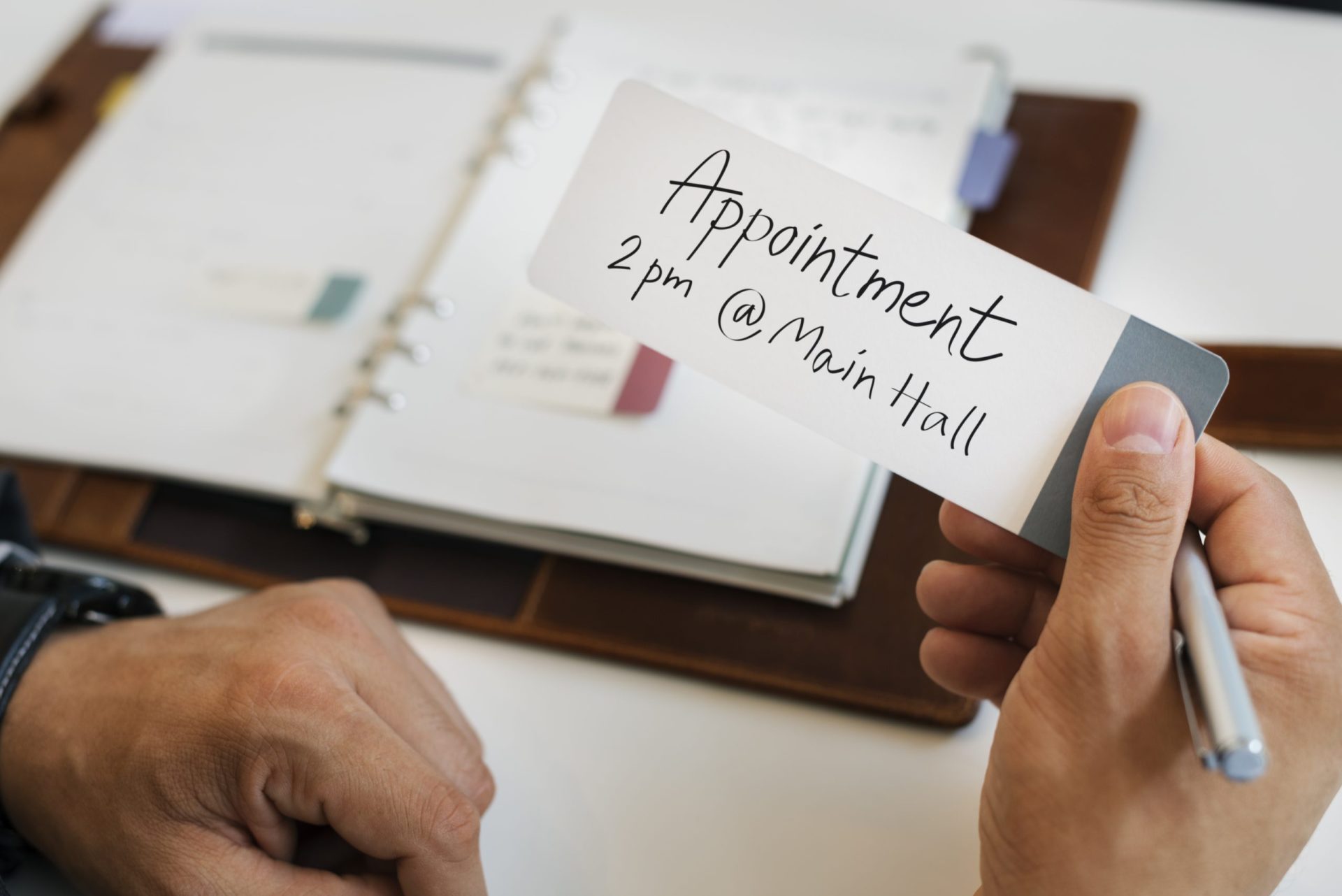
Getting a patient to book once is good. Getting them to return for follow-ups, annual checkups, and ongoing care is where real health outcomes—and clinic stability—are built. AI-powered appointment reminders play a powerful role in improving patient retention by making care more convenient, consistent, and personalized.
1. Why patients miss appointments:
Before seeing how AI helps, it’s useful to know why patients don’t come back:
-
They forget the date/time.
-
They feel better and think they don’t need follow-up.
-
The booking process is frustrating.
-
They’re busy and rescheduling is difficult.
-
They feel no personal connection with the clinic.
AI appointment reminder systems tackle many of these issues automatically.
2. Smart reminders via SMS, email, and WhatsApp:
Traditional reminders might send a single text or call. AI systems can go further by:
-
Sending reminders at optimal times based on past behavior.
-
Using multiple channels (SMS, email, WhatsApp, app notifications).
-
Adjusting language and tone to match the patient’s preferences.
For example, a system might learn that a patient usually responds when reminded in the evening rather than during work hours.
3. Two-way communication instead of one-way alerts:
Instead of “Your appointment is tomorrow at 10 AM,” AI tools can enable conversational reminders:
-
“Reply 1 to confirm, 2 to reschedule.”
-
Patients can request a new time directly from the message.
-
The system checks available slots and suggests options automatically.
This reduces no-shows and makes rescheduling easy—key factors in retention.
4. Personalized follow-up reminders:
Retention isn’t just about the next appointment. It’s about ongoing care:
-
For chronic conditions, AI can schedule periodic reminders for checkups, lab tests, or medication refills.
-
After surgeries or procedures, patients can receive reminders to attend post-op visits.
-
Preventive care reminders (e.g., annual physicals, vaccinations) can be scheduled based on age, condition, and history.
This helps patients feel looked after, even between visits.
5. Segmenting patients for better engagement:
AI systems can segment patients based on:
-
Condition (e.g., diabetic patients).
-
Visit history (e.g., haven’t visited in 12 months).
-
Demographics (e.g., children needing vaccinations).
Each segment can receive tailored reminders and messages. For example, parents can get friendly reminders about pediatric checkups, while cardiac patients receive follow-ups about lifestyle or medication adherence.
6. Reducing administrative workload:
For clinics, AI-powered reminders free up staff:
-
Fewer manual calls.
-
Less time spent rescheduling.
-
Automated handling of confirmations and cancellations.
Staff can focus more on in-person care and complex issues rather than chasing appointments.
7. Measuring and improving retention:
Most AI reminder platforms provide analytics:
-
No-show rates over time.
-
Response rates by channel (SMS vs email).
-
Which patient segments respond best.
-
Impact on follow-up appointments booked.
These insights let clinics adjust their messaging, timing, and strategies to further improve patient retention.
8. Combining reminders with patient experience:
AI reminders work best when integrated into a positive overall experience:
-
Easy online booking.
-
Short wait times at the clinic.
-
Clear communication with doctors.
-
Friendly follow-up after visits.
When patients feel that the clinic respects their time and supports their health journey, they’re more likely to stay loyal—and AI reminders become a natural part of that relationship, not an annoyance.