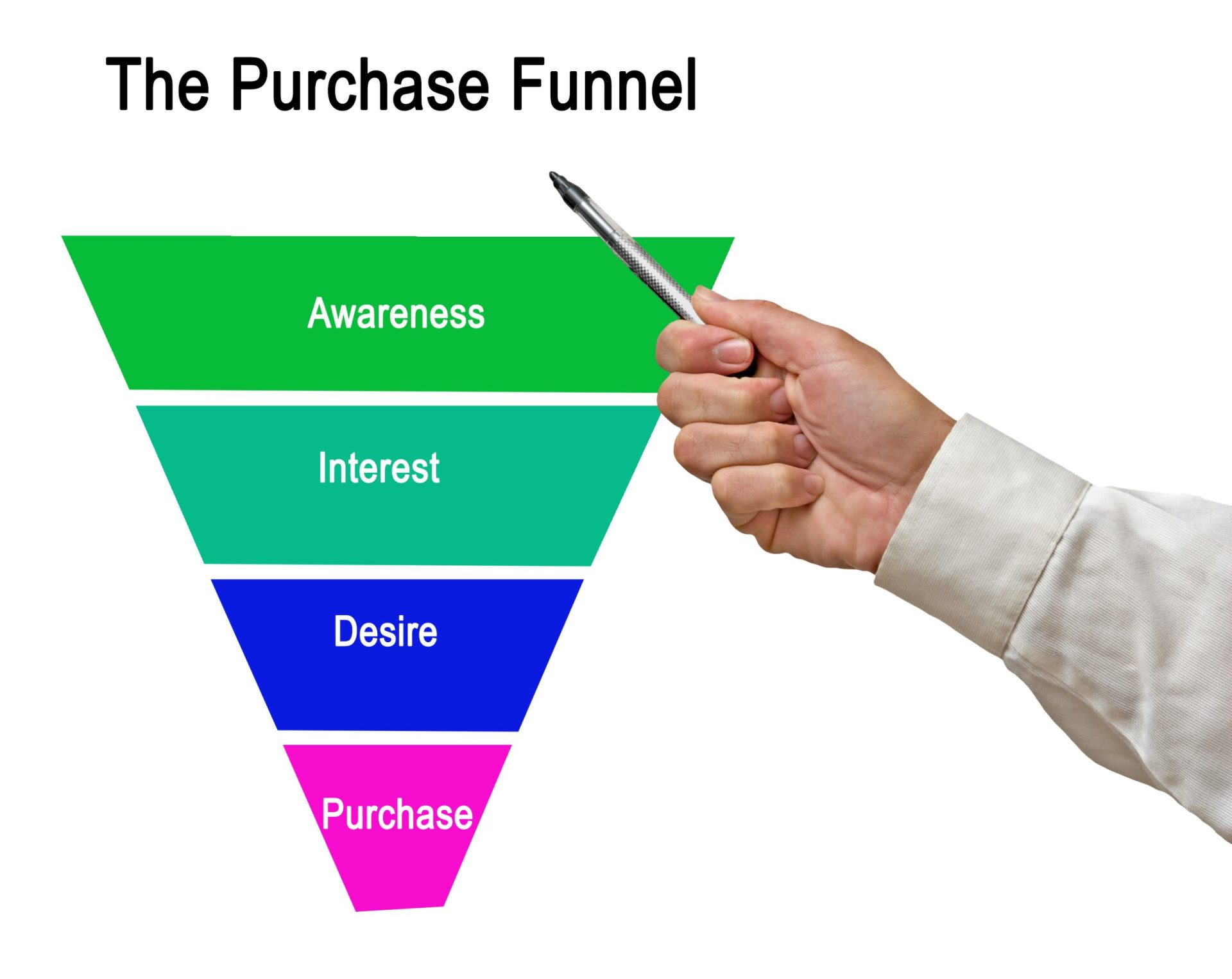
Funnels can look complicated, but the truth is: every funnel follows the same top-down structure. Whether it’s a webinar funnel, VSL funnel, eCom funnel, or lead magnet funnel, the core steps never change.
In this blog, we’ll break down the entire funnel journey from the top (cold traffic) to the bottom (loyal customers). Once you understand these steps, you can build or optimize any funnel with confidence.
Step 1: Awareness (Top of Funnel – TOFU):
This is where people first discover your brand. They aren’t ready to buy yet—they’re just learning who you are and what you offer.
Traffic sources include:
-
Facebook/TikTok ads.
-
SEO blogs.
-
YouTube videos.
-
Social media posts.
-
Influencer shoutouts.
Goal:
Capture attention and deliver value quickly.
Step 2: Interest & Engagement:
Now your audience knows you exist. This stage builds curiosity and moves them closer to considering you as a solution.
Ways to nurture interest:
-
Lead magnets.
-
Free training.
-
Email sequences.
-
Short educational videos.
-
Case studies.
-
Landing pages.
Goal:
Create emotional connection and establish authority.
Step 3: Lead Capture:
This is where traffic turns into leads.
Common lead capture methods:
-
Free eBooks.
-
Webinar registration.
-
Checklist downloads.
-
Quizzes.
-
VSL opt-ins.
Goal:
Convert visitors into email subscribers or SMS leads.
Step 4: Nurturing & Value Delivery (Middle of Funnel – MOFU):
Most leads won’t buy immediately. Nurturing provides education, trust, and clarity.
Nurturing tools:
-
Email sequences.
-
Mini trainings.
-
Story-based emails.
-
Social proof.
-
Retargeting ads.
Goal:
Warm leads until they’re ready to buy.
Step 5: Conversion (Bottom of Funnel – BOFU):
This is where the sale happens. At this stage, you present your offer clearly and confidently.
Examples of conversion tools:
-
Sales pages.
-
Order forms.
-
VSLs.
-
Webinars.
-
Free strategy calls.
-
Demos.
Goal:
Turn warm leads into paying customers.
Step 6: Upsells, Order Bumps & Cross-Sells:
Most revenue happens AFTER the first sale.
Examples:
-
One-click upsells.
-
Premium upgrades.
-
Complementary add-ons.
-
Subscription offers.
Goal:
Increase average order value (AOV).
Step 7: Fulfillment & Customer Experience:
Once the sale is made, the real brand experience begins.
Key elements:
-
Smooth onboarding.
-
Clear instructions.
-
High-quality delivery.
-
Transparent communication.
Goal:
Turn buyers into happy customers.
Step 8: Retention & Loyalty:
Retaining customers is more profitable than acquiring new ones.
Retention strategies:
-
Memberships.
-
Discounts for loyal buyers.
-
Personalized offers.
-
Community access.
-
Automated follow-up.
Goal:
Create long-lasting relationships.
Conclusion:
Every funnel—no matter how complex—follows these eight steps. Once you understand the top-down flow from awareness to loyalty, you can build funnels that convert on repeat.