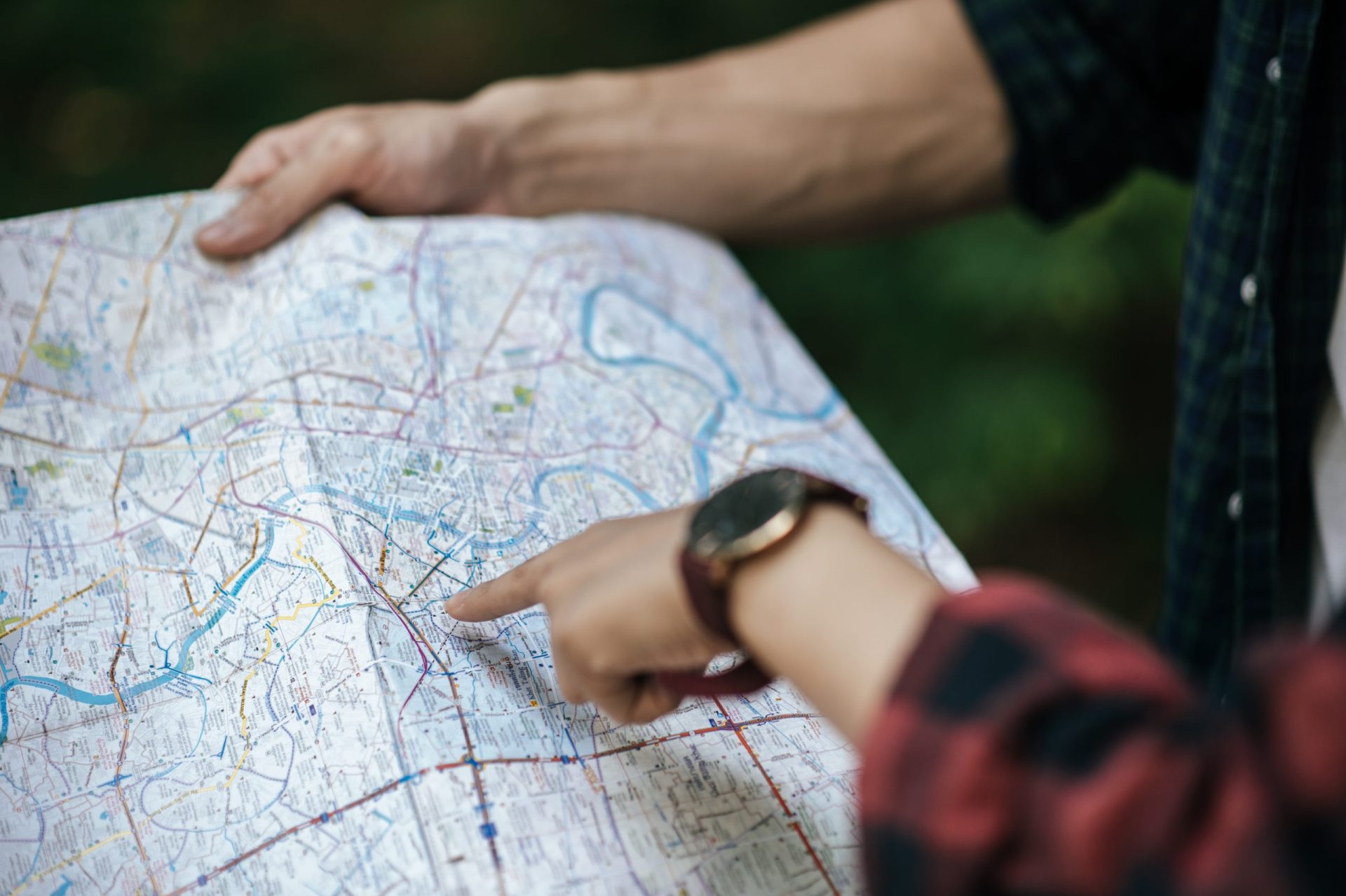
The Local Map Pack is the box that appears at the top of local search results, showing the most relevant businesses based on the user’s location. Ranking in the Local Map Pack is crucial for businesses that rely on local customers, such as restaurants, stores, and service providers. Here’s how to get to Position #1 in the Local Map Pack.
1. Claim and Optimize Your Google My Business Listing:
The first step in improving your Local Map Pack ranking is to claim and optimize your Google My Business (GMB) listing. This is the most direct way to ensure your business appears in local search results.
Action Steps:
-
Claim your GMB listing if you haven’t already.
-
Complete all sections of your profile, including your business name, address, phone number, website, business hours, and services.
-
Add high-quality images of your business to help it stand out.
-
Regularly update your listing with posts, events, and special offers.
2. Get and Respond to Reviews:
Google takes customer reviews seriously when determining Local Map Pack rankings. Positive reviews signal to Google that your business is trustworthy and reputable.
Action Steps:
-
Encourage customers to leave reviews on your GMB listing.
-
Respond to reviews—both positive and negative. Engaging with your customers shows that you value their feedback and are committed to customer service.
3. Ensure Consistency in NAP (Name, Address, Phone Number):
Google uses your business’s NAP consistency across the web to verify your location and legitimacy. Discrepancies in NAP data can harm your Local Map Pack ranking.
Action Steps:
-
Ensure your business’s NAP is consistent across all online platforms, directories, and your website.
-
Regularly check for any inaccuracies in your NAP across third-party sites and update them promptly.
4. Focus on Local Keywords:
Incorporating local keywords into your website and GMB profile helps Google understand your business’s relevance to specific locations.
Action Steps:
-
Include your city or region in your title tags, meta descriptions, and content.
-
Use location-based keywords in blog posts, service pages, and other content on your website.
5. Build Local Backlinks:
Backlinks from local websites or organizations can significantly improve your Local Map Pack ranking. These backlinks help Google recognize your authority and relevance in the local market.
Action Steps:
-
Partner with local bloggers, newspapers, and organizations to get backlinks.
-
Sponsor local events or participate in community activities to gain recognition and backlinks.
6. Use Local Structured Data Markup:
Structured data markup (Schema.org) helps Google understand the specifics of your business and how it relates to a particular location.
Action Steps:
-
Implement local schema markup on your website, including your business name, address, phone number, and operating hours.
7. Increase Engagement with Your Local Audience:
Google prioritizes businesses that engage with their local community and customers. The more active your business is in the local area, the better your chances of ranking in the Local Map Pack.
Action Steps:
-
Participate in local events and community initiatives to improve your brand’s visibility.
-
Engage with your audience on social media by sharing local updates, news, and events.