
A restaurant menu is not just a list—it’s a strategic sales tool. Menu engineering uses data, pricing psychology, and design to guide customers toward the most profitable dishes. With a few smart changes, you can increase average order value and improve customer satisfaction at the same time.
The Science of Menu Psychology:
Customers make decisions quickly—often in less than 2 minutes. The way your menu is designed can dramatically influence their choices.
Psychology plays a key role:
-
Eye patterns.
-
Color psychology.
-
Descriptive wording.
-
Anchoring pricing.
-
Box highlights.
These elements guide customers naturally toward high-margin items.
1. The Golden Triangle Strategy:
When customers open a menu, their eyes follow a shape known as the golden triangle:
-
First: Top right.
-
Second: Center.
-
Third: Top left.
Place your most profitable dishes in these positions.
2. Use High-Impact Descriptions:
Descriptions increase perceived value.
Example:
-
“Grilled Chicken” → basic.
-
“Charcoal-grilled chicken marinated in spicy herbs” → premium.
Customers happily pay more when dishes sound luxurious.
3. Remove Currency Symbols:
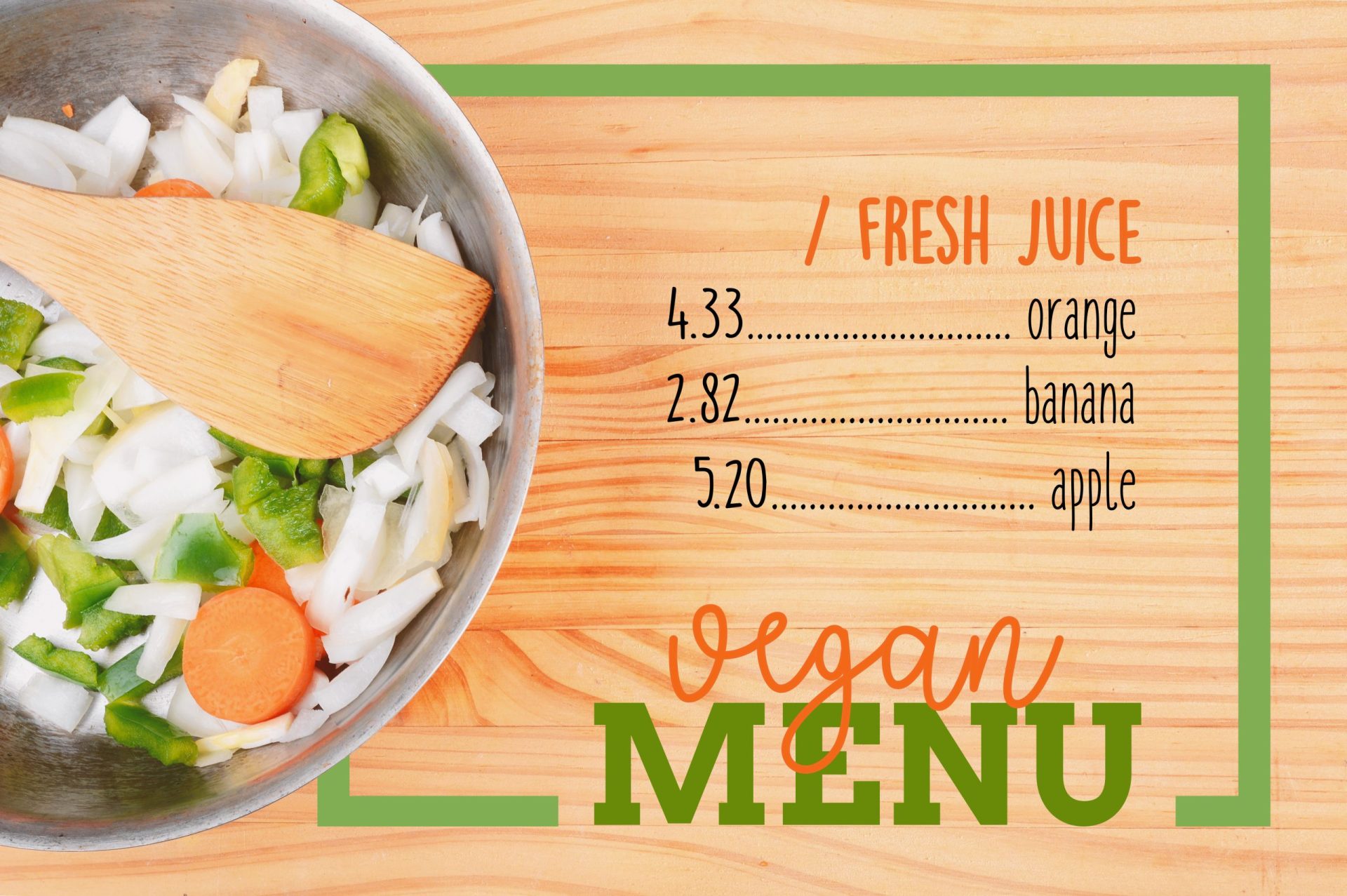
Studies show diners spend more when currency signs ($, £, PKR) are removed.
Instead of “$12,” write “12” to reduce price awareness.
4. Use Decoy Pricing:
Add one very expensive item to make everything else feel reasonably priced.
Example:
-
Lobster platter – $140.
-
Steak – $70.
-
Lamb chops – $55.
Suddenly, $55 feels cheap.
5. Highlight the Stars:
Star items = high profit + high popularity.
Highlight them through:
-
Boxes.
-
Icons.
-
Chef recommendations.
-
Special symbols.
Make these dishes stand out.
6. Limit Choices:
Too many options overwhelm customers. Keep each category (appetizers, mains, desserts) to 6–8 dishes max.
Conclusion:
Menu engineering increases order value organically—not by raising prices, but by using design and psychology to guide customer decisions.